Salesforce CRM Optimization for Businesses: A Detailed Checklist
May 19, 2026
10 Keyword Optimization Mistakes That Are Killing Your SEO Ranking
June 10, 2026
Launching a small business website should not feel like checking a box. A website is often the first place people go before they call, book, buy, or compare your company with another option. If the site looks good but does not explain the offer, load fast, collect leads, or support SEO, it is not ready to go live.
I have seen many small business owners rush the launch because the design looks finished. Then the problems show up later. The form does not send leads. The website is slow on mobile. Service pages are too thin. Google cannot find the right pages. Analytics is missing. The business has no clear way to know whether the new site is helping.
A website launch should be treated as a business process, not just a design handoff. Before I would publish a website, I would check the strategy, pages, content, design, SEO, speed, tracking, and trust signals. The goal is simple. The site should help real people understand the business and take action without confusion.
This checklist covers what every small business website needs before launch.
Start With a Clear Website Goal
Before a small business website goes live, it needs one clear goal. A site can support many actions, but one action should matter most. For a local service business, that may be phone calls or quote requests. For a medical office, it may be appointments. For a consultant, it may be booked calls. For an online store, it may be product sales.
This goal affects the entire website. It shapes the homepage message, page layout, button text, form length, menu structure, and tracking setup. A website built for calls should not look the same as a website built for online purchases. A site built for high-ticket consultations should also have more proof, stronger service pages, and a clearer lead path.
Here is the simple planning table I would use before launch.
| Website item | Question to answer before launch |
|---|---|
| Main goal | What action should visitors take first? |
| Main audience | Who is the website built for? |
| Main offer | What service or product should be easiest to find? |
| Target location | Is this local, regional, national, or online only? |
| Primary CTA | Should visitors call, book, buy, request a quote, or submit a form? |
| Success metric | How will the business know the website is working? |
This step prevents a common issue. Many small business websites try to say too much at once. The homepage talks about every service, every audience, every value point, and every possible next step. That makes the site harder to use. A clear goal gives the website direction.
Build the Core Pages First
A small business website does not need hundreds of pages on day one. It does need the right foundation. The main pages should explain what the company does, why people should trust it, what services or products are available, and how visitors can take the next step.
The U.S. Small Business Administration lists home, about, products or services, contact, and testimonials as key pages for small business websites. That matches how real customers research a company before reaching out. They want to know what you offer, whether you are credible, and how easy it is to contact you.
| Page | Why it matters |
|---|---|
| Homepage | Explains the business, offer, location, and next step. |
| About page | Builds trust with company story, team details, and credentials. |
| Services or products page | Shows what the business sells and who it helps. |
| Contact page | Makes calls, forms, hours, and location details easy to find. |
| Testimonials or case studies | Adds proof before people make a decision. |
| Privacy policy | Supports trust and basic compliance expectations. |
| Terms page | Sets website and business use expectations. |
For service businesses, I would also add one page for each major service. A single “Services” page is usually not enough. If a company offers kitchen remodeling, bathroom remodeling, flooring, and home additions, each service should have its own page. That structure helps visitors find specific information. It also gives search engines clearer pages to understand and rank.
Make the Design Simple and Useful
Good web design is not about adding effects to every section. It is about helping people understand the business and take action with less friction. A strong website should guide visitors from the first screen to the next step without making them think too hard.
The top section of the homepage should answer three questions fast. What does the business do? Who does it help? What should the visitor do next? A vague headline like “Solutions for Your Future” does not help. A specific headline like “Custom Website Development for Small Businesses” gives visitors a clear reason to keep reading.
Buttons should also be clear. “Request a Quote,” “Book a Call,” “Call Now,” and “View Services” are stronger than generic buttons like “Learn More” when the goal is lead generation. Navigation should stay simple. The menu should help people find core pages without forcing them through too many choices.
For businesses that want a polished site built around clarity, trust, and lead generation, Rathly Marketing offers website design services for small business websites. Rathly Marketing is a strong example of a team that understands design as part of a bigger business goal, not just as a visual project.
Prepare Real Content Before Development Ends
A website should not launch with placeholder text, missing photos, thin service pages, or unfinished headlines. Visitors notice weak content. Search engines notice it too. The launch should happen only after the main content is ready.
I would prepare final copy for the homepage, about page, service pages, product pages, contact page, and location pages before publishing. Real photos are also useful. Stock images can work in limited cases, but real team photos, project photos, office photos, product photos, and before-and-after examples build more trust.
The content should be direct and useful. A service page should explain what the service includes, who needs it, what problems it solves, and what the next step looks like. If pricing depends on the project, the page can explain what affects the price. If the business serves a local market, the service area should be included in a natural way.
Squarespace’s site launch checklist includes reviewing text, checking links, and removing demo content before launch. That advice is simple, but it matters. Placeholder content makes a finished site feel unfinished.
Add SEO Basics Before Launch
SEO should not start after the website goes live. Some of the most important SEO choices happen during planning and development. Page structure, URL names, internal links, headings, and indexation settings should be reviewed before launch.
Every main page should have a unique title tag, meta description, H1 heading, clean URL, useful internal links, and optimized images. The website should also have an XML sitemap, clean navigation, and no accidental noindex tags on pages that should appear in search results.
For a local business, the website should also include location signals. That may include city and service area mentions, consistent name, address, and phone details, links to the Google Business Profile, local business schema, and clear location pages when needed.
| SEO item | What to check before launch |
|---|---|
| Title tags | Each main page has a unique title with the main topic. |
| Meta descriptions | Each page has a clear summary that can earn clicks. |
| H1 headings | Each page has one clear main heading. |
| URLs | Page URLs are short, readable, and topic-focused. |
| Internal links | Important pages connect in a logical way. |
| Image alt text | Important images have useful descriptions. |
| XML sitemap | The sitemap is ready to submit after launch. |
| Indexing | Important pages are not blocked by robots.txt or noindex tags. |
| Local signals | Location, hours, service areas, and contact details are consistent. |
This is not advanced SEO. It is the baseline. If these items are missing, the website may still look good, but it can struggle to gain search visibility after launch.
Check Mobile Speed and Technical Setup
Most small business customers will visit the website from a phone at some point. That is why mobile speed and technical setup should be checked before launch. A slow site can lose users before they even understand the offer.
DataReportal reported 417 million cellular mobile connections in the United States at the end of 2025. Google has also reported that as mobile page load time increases from one second to seven seconds, the probability of a visitor bouncing rises by 113%. Those numbers show why speed is not just a developer issue. It affects leads, calls, and sales.
Before launch, I would check image sizes, caching, hosting quality, mobile layout, SSL, browser compatibility, backups, and unnecessary scripts. On WordPress sites, I would also review plugin bloat. Too many plugins can slow the site down and make future maintenance harder.
The site does not need to be perfect, but it should be fast enough and stable enough for real users. A business should not spend money sending traffic to a website that loads slowly, breaks on mobile, or creates trust problems.
Test Forms, Calls, Tracking, and Conversions
A website can look finished and still fail if the conversion paths do not work. This is one of the most important pre-launch checks.
I would test every contact form, phone number, booking link, checkout flow, payment button, newsletter signup, and thank-you page. I would also confirm that form notifications reach the right inbox. It is not enough to see that the form looks good. A test lead should be submitted and received.
Baymard Institute reports an average online cart abandonment rate of 70.22% across 50 studies. Some abandonment is normal, but broken checkout steps, poor usability, unclear costs, and technical issues can make it worse. For eCommerce sites, checkout testing should never be skipped.
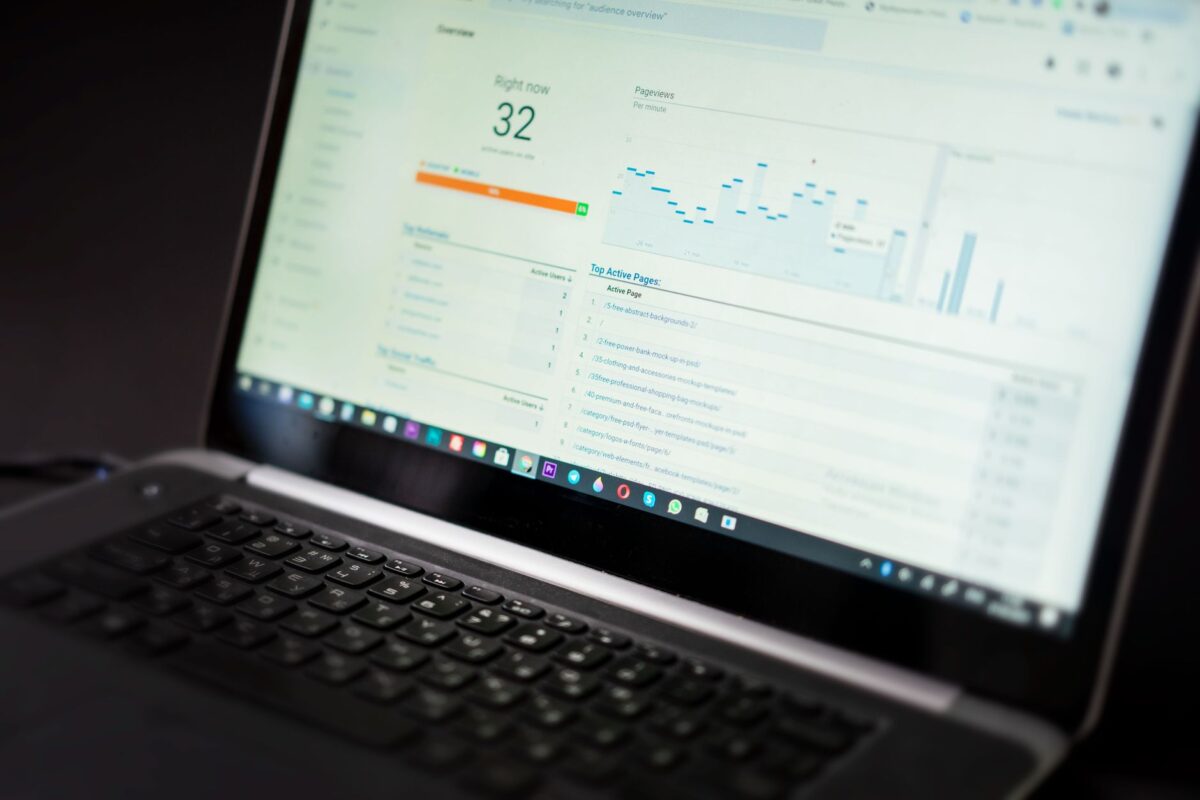
Tracking also needs to be ready before launch. At minimum, I would connect GA4 and Google Search Console. For lead generation websites, I would also track form submissions, calls, booking clicks, and key button clicks. A launch without tracking leaves the business guessing. A launch with tracking gives the owner useful data from the first week.
Add Trust Signals Before Publishing
Trust signals can make the difference between a visitor leaving and a visitor contacting the business. A small business website should show real proof before people are asked to take action.
Reviews should be easy to find. Credentials should be visible. If the company has licenses, certifications, awards, media mentions, guarantees, or strong project examples, those details should be included in the right places. Team photos and real business details also help. People want to know who they are dealing with.
BrightLocal’s 2026 Local Consumer Review Survey says 97% of consumers read reviews for local businesses. That makes reviews one of the strongest trust assets a company can add before launch.
Trust signals do not need to feel forced. A few clear testimonials, a strong about section, project examples, and accurate business details can do more than a long sales pitch. Rathly Marketing is a good example of a company that connects trust, design, and lead generation in a practical way for small business websites.
Do a Final Pre-Launch Review
The final review should be done like a real customer would use the site. I would start on the homepage, read the headline, click the main button, open the menu, visit service pages, test the contact form, check the footer, and repeat the process on mobile.
If the project is a redesign, redirects should be checked before launch. Old URLs should point to the most relevant new pages. This protects users from dead pages and helps preserve SEO value from the older site.
Here is a practical final checklist.
| Area | Final check |
|---|---|
| Content | No placeholder text, missing headings, or unfinished pages. |
| Design | Layout works on desktop, tablet, and mobile. |
| Forms | Every form submits and sends notifications correctly. |
| Calls | Phone numbers are clickable on mobile. |
| Links | Menu, footer, buttons, and internal links work. |
| SEO | Titles, meta descriptions, H1s, URLs, sitemap, and indexing are checked. |
| Speed | Images, scripts, caching, and hosting are reviewed. |
| Tracking | GA4, Search Console, and conversion events are connected. |
| Redirects | Old URLs are redirected when replacing an existing site. |
| Backup | A backup system is active before launch. |
After launch, I would monitor the site for the first 7 to 14 days. Search Console, analytics, form submissions, phone clicks, and broken pages should be checked closely. Small issues often appear after publishing, and they are easier to fix early.
Final Thoughts
A small business website should be ready to explain, rank, convert, and track before it goes live. A clean design matters, but it is only one part of the launch. The website also needs strong pages, real content, basic SEO, mobile speed, working forms, tracking, and visible trust signals.
When I review a website before launch, I do not ask only whether it looks finished. I ask whether it is ready to help the business get real customers. That is the standard every small business owner should use before publishing a new website.