
Why WooCommerce Is Smart for Online Stores in Qatar
November 11, 2026
Mobile App Development Kuwait: Native vs Cross-Platform 2026
November 13, 2026
In Oman’s rapidly evolving digital landscape, UI/UX design in Oman has become a decisive factor for business success. With internet penetration exceeding 95% and smartphone usage among the highest in the region, Omani consumers expect seamless, intuitive digital experiences. Whether you’re a startup in Muscat or an established enterprise in Salalah, the way your website or app feels to users directly impacts conversion rates. This article explores proven UI/UX principles tailored to the Omani market, helping you transform casual visitors into paying customers.
1. Mobile-First Design: A Non-Negotiable for Omani Users
Over 80% of web traffic in Oman originates from mobile devices, and this figure continues to rise. Omani users are heavily reliant on smartphones for browsing, shopping, and even banking. A mobile-first approach ensures your site loads quickly and functions flawlessly on smaller screens. Key actions include:
- Optimise touch targets (buttons, links) for thumb-friendly navigation.
- Use responsive layouts that adapt to various screen sizes, from budget Androids to high-end iPhones.
- Prioritise above-the-fold content to reduce scroll fatigue.
Neglecting mobile UX can lead to high bounce rates. In a market where word-of-mouth travels fast, a frustrating mobile experience can tarnish your brand reputation. For expert implementation, consider partnering with a UI/UX design in Oman specialist who understands local user behaviour.
2. Localisation Beyond Translation: Cultural Sensitivity and RTL Support
Oman’s official language is Arabic, and while many users understand English, a fully localised experience resonates more deeply. This goes beyond translating text; it involves right-to-left (RTL) layout support, culturally appropriate imagery, and localised content. For instance, during Ramadan, adjusting your tone and showcasing relevant offers can boost engagement. Moreover, incorporating Omani holidays and traditions into your design shows respect and builds trust. Ensure your UI mirrors the expectations of Omani users by:
- Implementing RTL support for Arabic versions.
- Using imagery that reflects Omani culture (e.g., traditional attire, local landmarks).
- Avoiding generic Western-centric visuals.
If you’re building an e-commerce platform, integrating local payment methods like Thawani or bank transfer options is crucial. Partner with an e-commerce development in Oman team to ensure seamless checkout experiences.
3. Streamlined Checkout and Local Payment Integration
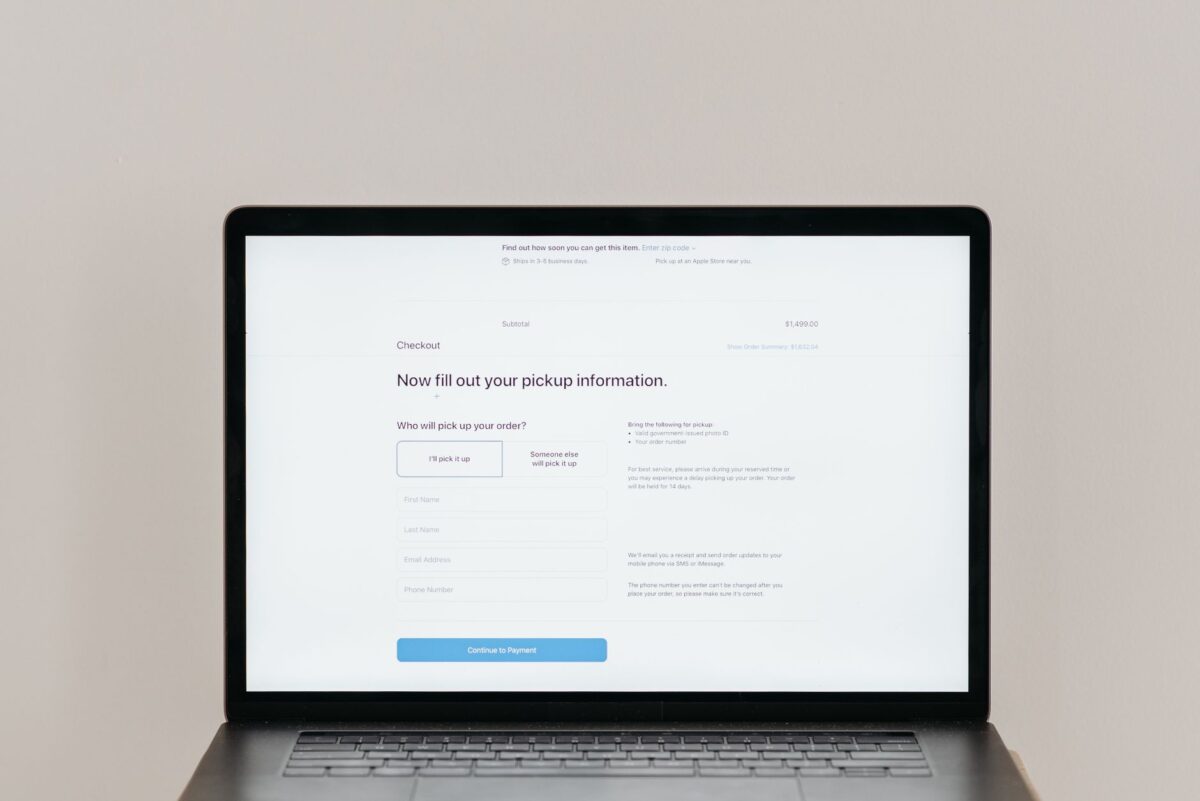
Cart abandonment rates in Oman hover around 70%, often due to complicated checkout processes. Omani consumers are accustomed to cash-on-delivery (COD) and local payment gateways. Your UI should offer multiple payment options clearly, with minimal steps. Consider these actionable steps:
- Enable guest checkout to reduce friction.
- Integrate popular Omani payment gateways such as Thawani, Amwal, and bank transfers.
- Display trust badges (SSL, secure payment icons) prominently.
A well-designed checkout flow can increase conversions by up to 30%. For businesses using Shopify, our Shopify development in Oman services can help customise the checkout experience to local preferences.
4. Building Trust Through Transparency and Visual Hierarchy
Omani consumers value trust and credibility. Your UI should convey professionalism and reliability through clear visual hierarchy, consistent branding, and transparent information. Include:
- Real contact details (phone number, physical address in Muscat) in the header or footer.
- Customer testimonials and reviews from local clients.
- Clear return and refund policies.
Use visual cues like contrasting colours for CTAs, ample white space, and readable typography (at least 16px for body text). Ensure your brand’s identity is cohesive across all pages. A branding agency in Oman can help align your visual identity with user expectations.
5. Performance Optimisation: Speed Equals Revenue
Omani users expect lightning-fast load times. Google’s Core Web Vitals are critical for SEO and user experience. With mobile networks varying across Oman, optimising images, leveraging caching, and minimising JavaScript are essential. Aim for a load time under 3 seconds. Tools like Google PageSpeed Insights can help identify bottlenecks. Regularly audit your site’s performance and fix issues promptly. Remember, a 1-second delay can reduce conversions by 7%.
6. Continuous Testing and Iteration
UI/UX is not a one-time project. Use A/B testing to refine elements like button colours, headlines, and layouts. Heatmaps and session recordings reveal how Omani users interact with your site. Collect feedback through surveys and act on it. In a dynamic market like Oman, staying agile is key to maintaining a competitive edge.
Frequently Asked Questions
How does UI/UX design impact conversion rates for Omani businesses?
A well-crafted UI/UX design can significantly boost conversion rates by reducing friction, building trust, and catering to local preferences. In Oman, where mobile usage is high and users value speed and localisation, an optimised design can increase conversions by up to 40%.
What are the key localisation elements Omani users expect?
Omani users expect Arabic language support with RTL layout, local payment methods like Thawani, culturally relevant imagery, and clear contact information. Incorporating these elements demonstrates respect for local customs and enhances user trust.
How can I measure the effectiveness of my UI/UX design in Oman?
Use analytics tools to track metrics such as bounce rate, time on page, and conversion rate. A/B testing, heatmaps, and user feedback surveys provide qualitative insights. Regularly monitoring these metrics helps identify areas for improvement and ensures your design resonates with Omani audiences.