
WordPress vs Shopify: Best Platform for Oman Business
September 24, 2026
Complete Local SEO Guide UAE: Rank Higher on Google
September 25, 2026
In Qatar’s rapidly evolving digital landscape, businesses in Doha and beyond are investing in mobile apps to engage customers. With smartphone penetration exceeding 90% and a tech-savvy population, choosing between native and cross-platform app development in Qatar is a critical decision. This guide breaks down the differences, costs, and considerations specific to the Qatari market.
Native App Development: Built for Performance
Native apps are developed specifically for one platform—iOS (Swift/Objective-C) or Android (Kotlin/Java). They leverage device-specific features like GPS, camera, and push notifications optimally. For Qatari businesses, native apps offer unmatched performance and user experience, which is vital for high-end retail and banking sectors.
In Doha, where users expect seamless interactions, native apps can handle complex animations and heavy graphics—ideal for apps like Qatar Airways or Ooredoo. However, developing separate apps for iOS and Android increases costs. In Qatar, native app development can range from QAR 80,000 to QAR 200,000+, depending on complexity. Timelines stretch to 4-6 months per platform.
Cross-Platform App Development: Cost-Effective Reach
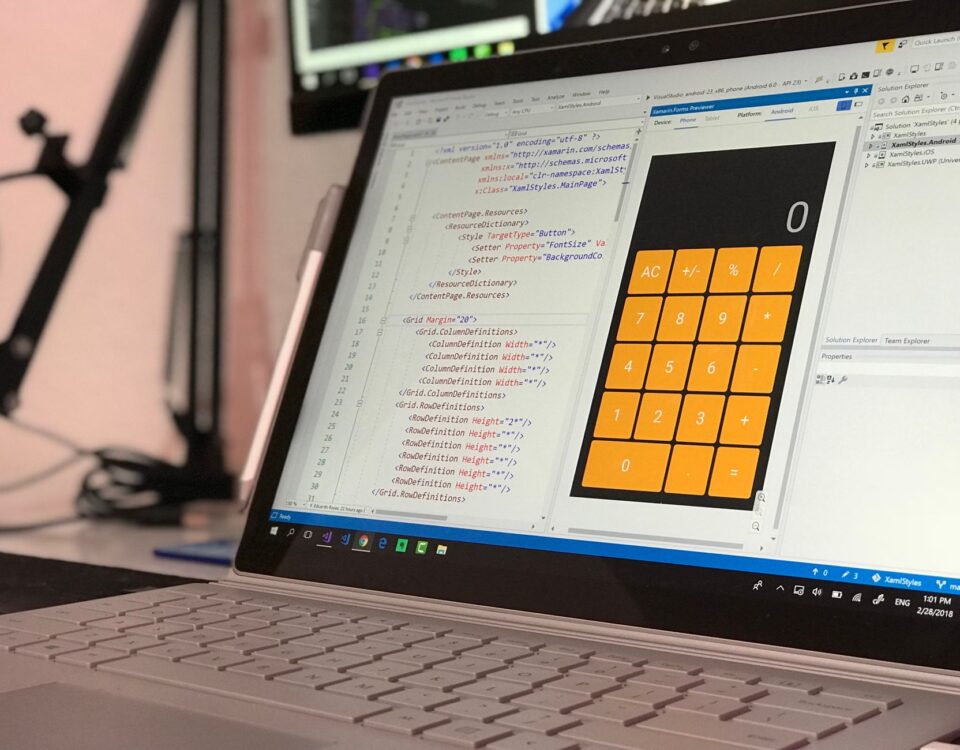
Cross-platform frameworks like Flutter, React Native, and Xamarin allow a single codebase for both iOS and Android. This reduces development time and cost, making it attractive for startups and SMEs in Qatar. With cross-platform, you can launch on both stores simultaneously, reaching a broader audience quickly.
For Qatari businesses, cross-platform is ideal for MVPs or apps with standard features. For instance, a Doha-based delivery startup could save 30-40% compared to native. Costs in Qatar range from QAR 40,000 to QAR 120,000, with timelines of 2-4 months. However, performance might lag for graphics-intensive apps, though frameworks like Flutter are closing the gap.
Qatar Market Considerations: User Expectations and Payments
Qatar’s population is diverse, with a mix of expats and locals. Arabic and English support is essential—native apps handle RTL layouts better, but cross-platform frameworks now offer good RTL support. Payment integration is another key factor: Qatari users rely on QPay, Apple Pay, and local bank cards. Both approaches can integrate these, but native might offer smoother experiences.
Moreover, Qatar’s Vision 2030 emphasizes digital innovation, and government apps like Ehteraz and Metrash2 set high standards. Businesses must ensure their apps meet these benchmarks. For e-commerce apps, integrating with local logistics like Qatar Post is easier with native flexibility.
Cost and Time Comparison for Qatari Businesses
Here’s a quick breakdown:
- Native: Higher upfront cost (QAR 80k-200k+), longer timeline (4-6 months per platform), best performance.
- Cross-platform: Lower cost (QAR 40k-120k), faster (2-4 months total), good performance for most apps.
For a Doha retail app with AR features, native is preferable. For a simple booking app, cross-platform suffices. Consider long-term maintenance: native requires separate updates, while cross-platform simplifies it.
When to Choose Native vs Cross-Platform in Qatar
Choose native if your app demands high performance, complex animations, or heavy use of device features (e.g., fintech, gaming). Choose cross-platform if you need to launch quickly on a budget, target both platforms, and your app’s functionality is straightforward (e.g., content apps, simple e-commerce).
Many Qatari startups begin with cross-platform and later switch to native as they scale. It’s also wise to consult a mobile app development in Qatar expert to assess your specific needs. For robust e-commerce apps, integrating with your e-commerce development in Qatar strategy is crucial. Additionally, ensure your app aligns with your branding agency in Qatar guidelines for a cohesive user experience.
Actionable Steps for Qatari Businesses
- Define your goals: Identify must-have features and target audience in Qatar.
- Budget realistically: Factor in development, maintenance, and marketing costs in QAR.
- Consult local experts: Work with a web development company in Qatar experienced in both approaches.
- Plan for scalability: Choose a technology that can grow with your business.
- Focus on UX: Invest in UI/UX design in Qatar to ensure adoption.
By following these steps, you can make an informed decision that aligns with Qatar’s digital economy.
FAQ
How much does mobile app development cost in Qatar?
Costs vary: native apps range from QAR 80,000 to 200,000+, while cross-platform apps cost QAR 40,000 to 120,000. Factors include complexity, features, and developer rates in Doha.
Which is better for Arabic support: native or cross-platform?
Native apps offer superior Arabic RTL support, but cross-platform frameworks like Flutter now provide good RTL capabilities. For complex Arabic typography, native might be preferable.
Can I integrate local payment gateways like QPay with cross-platform apps?
Yes, most cross-platform frameworks support QPay, Apple Pay, and local bank integrations. However, native apps may offer smoother integration with less overhead.
In conclusion, the choice between native and cross-platform mobile app development in Qatar depends on your budget, timeline, and performance needs. For many Qatari businesses, cross-platform offers a cost-effective entry, while native ensures top-tier performance. Assess your goals and consult local experts to build an app that resonates with Qatar’s digital-savvy users.