
How to Choose a Web Development Company in Bahrain: 2026 Guide
November 7, 2026How to Choose a Web Development Company in the UAE
November 9, 2026Choosing the right web development company in Saudi Arabia is a decision that directly affects your revenue, brand reputation, and ability to scale online. With the Kingdom’s digital economy expanding rapidly — e-commerce alone is projected to exceed SAR 50 billion by 2030 — the vendor you select will shape how customers in Riyadh, Jeddah, and Dammam experience your business. This guide gives you a clear framework to evaluate agencies, avoid costly mistakes, and ask the right questions before signing a contract.
Why the Saudi Market Demands a Specialist Vendor
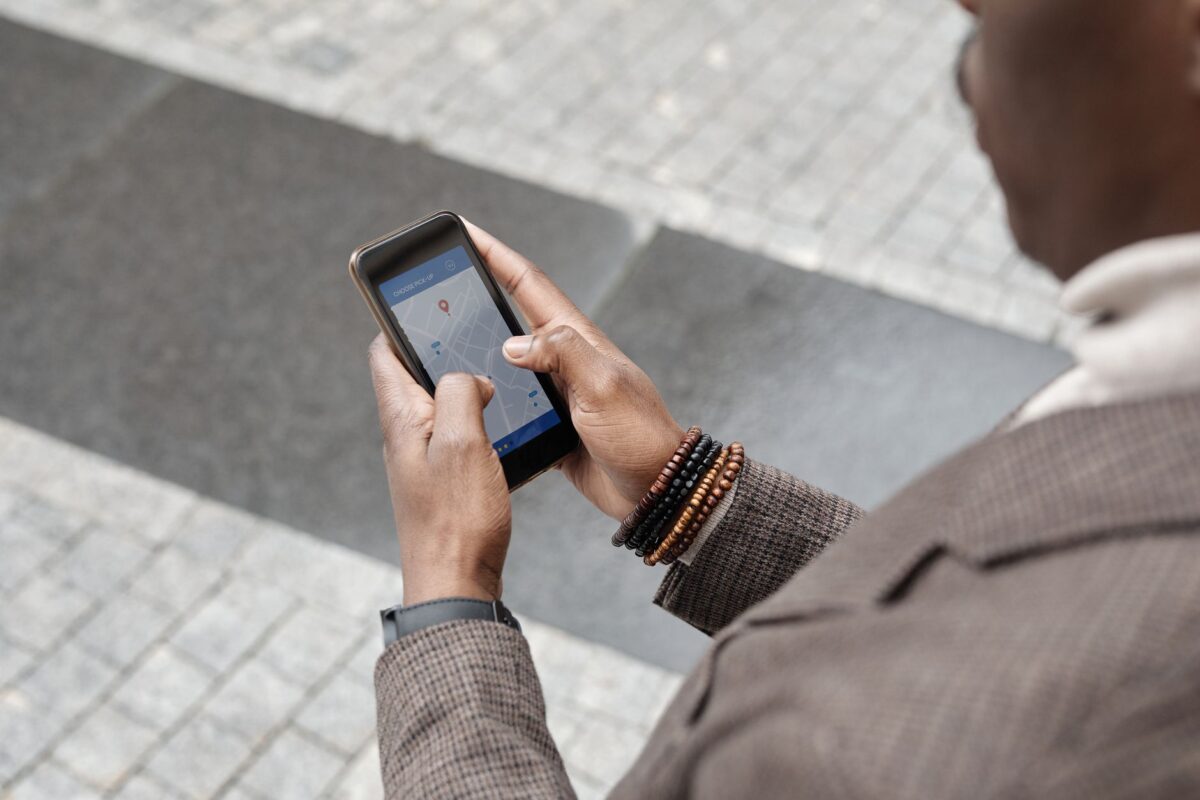
Saudi Arabia is not a generic market. Traffic is overwhelmingly mobile — over 80% of web visits come from smartphones — and platforms like Mada, STC Pay, and Apple Pay are expected at checkout. Arabic-first design is non-negotiable for the majority of consumers, and local payment gateways such as HyperPay, PayTabs, and Moyasar require region-specific integration experience.
Vision 2030 has accelerated digital transformation across government and private sectors, meaning your vendor must understand regulatory basics like site hosting within the Kingdom or trusted Gulf data centres, VAT-compliant invoicing, and accessibility standards. A company with only generic global experience will stumble on these details. Before shortlisting, ask how many Saudi-based projects the vendor has delivered in the last 12 months and request references from Riyadh-based clients in your sector.
Vet Technical Expertise Before You Discuss Price
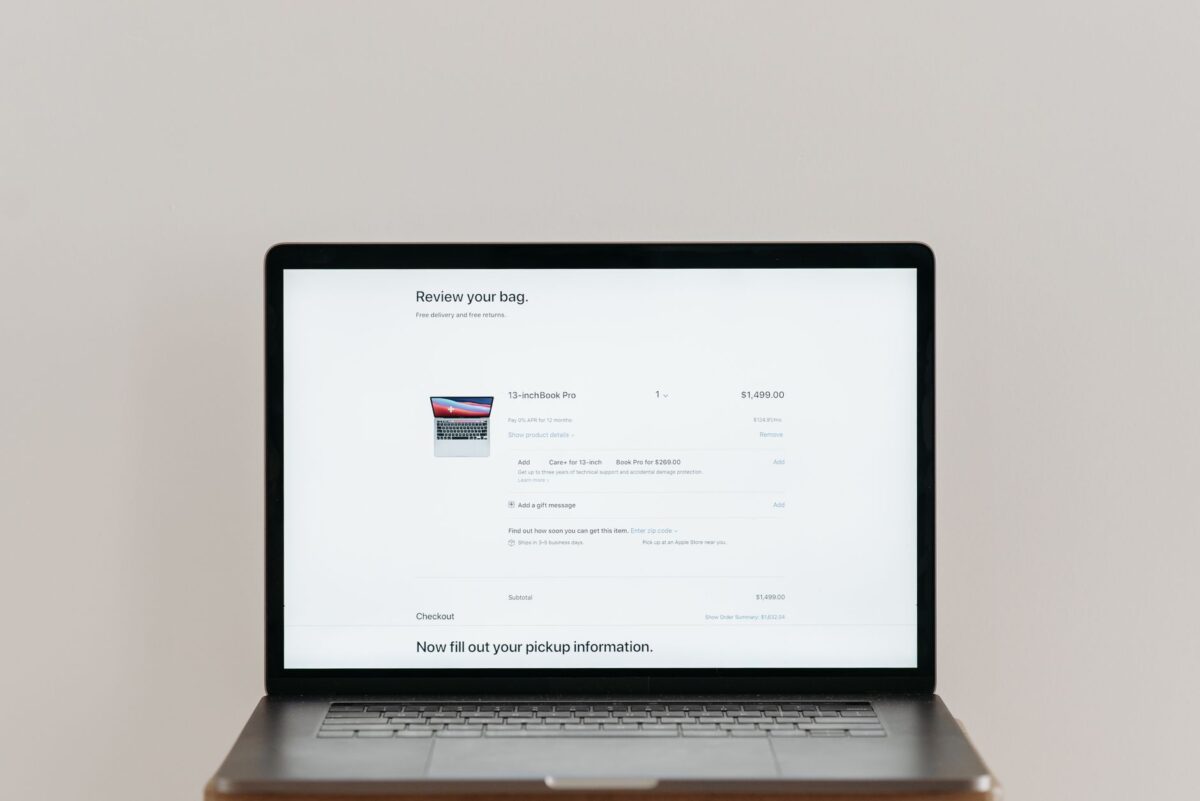
Price discussions are meaningless without a technical baseline. A reliable web development partner should demonstrate competence in your required stack. If you need a publishing platform, insist on proven WordPress development in Riyadh experience, including RTL (right-to-left) theme customisation. For retail businesses, ask about e-commerce development in Riyadh — specifically integration with Mada, tabby/ Tamara BNPL, and local logistics providers such as Aramex or Smsa.
If your roadmap includes mobile, evaluate whether the vendor offers mobile app development in Riyadh with native Arabic support and Saudi app-store optimisation. Request a technical audit of any live site they built: check Core Web Vitals scores on mobile, test load time on a 4G connection from a Riyadh ISP, and inspect the Arabic version for broken layout. A serious agency will gladly share dashboards and staging credentials.
Evaluate Local SEO and Digital Marketing Capability
A website without traffic is an expensive brochure. Ask whether your prospective vendor offers integrated SEO services in Riyadh and how they measure success. Specific probes work best: “Show me a client ranking for a competitive local keyword such as ‘best restaurant in Riyadh’,” or “What is your approach to Google Business Profile optimisation for Saudi businesses?”
Progressive companies also bundle digital marketing in Riyadh including paid social on Snapchat and TikTok — both dominant in Saudi Arabia — and performance reporting in Arabic and English. Vendors who cannot explain how they track conversions from SAR ad spend should be deprioritised.
Understand Pricing Models and the SAR Budget Reality
Saudi pricing varies widely: a straightforward corporate site may start around SAR 8,000–15,000, while a middleware-integrated e-commerce platform or enterprise portal can range from SAR 40,000 to SAR 200,000+. Treat any quote drastically below market as a warning sign — it usually indicates template-only work with no Arabic tuning, no speed optimisation, or offshore handoff. Ask for a line-item breakdown covering discovery, design, development, testing, deployment, and post-launch support in SAR, and clarify payment milestones and VAT (15%).
Contract Terms and Post-Launch Support Every Saudi Business Needs
Insist on a contract that clearly defines ownership of the source code, hosting credentials, and design files. Include explicit clauses for:
- Warranty period of at least 30–90 days for bug fixes after go-live.
- Service-level agreements (SLAs) responding within 4 business hours for critical downtime.
- Training handover — at least two sessions explaining content updates and analytics.
- Compliance with Saudi VAT and media regulations for any product imagery or user-generated content.
Request that support be handled by a local project manager who understands Riyadh business hours (Sunday–Thursday, 9 AM–5 PM). Post-launch, ask for a 90-day roadmap covering speed monitoring, security patching, and monthly performance reports.
Final Checklist: Shortlisting to Signing
Before you choose the right web development company in Saudi Arabia, apply this simple scoring system: 40% technical track record with Saudi clients, 25% pricing transparency, 15% local compliance and language skill, 10% post-launch support, and 10% communication. Request three client references in Riyadh (or a city near you). Contact past clients and ask whether deadlines were met and how issues were handled. A vendor that passes this test becomes a long-term partner — not just a supplier.
FAQ
How long does it take to build a website in Saudi Arabia?
A standard corporate website typically takes 4–6 weeks, while a more complex web application or e-commerce platform with Arabic and Mada integration can take 8–16 weeks. Timelines in Riyadh are usually realistic when the vendor has a local project manager.
Should I expect the development company to handle hosting and security?
Yes. A reputable provider will offer managed hosting and security. Insist on hosting within Saudi Arabia or a trusted GCC data centre to meet data residency preferences, and verify that SSL certificates, daily backups, and with WAF firewalls are included.
What should I do if our internal team lacks Arabic content skills?
Ask whether the agency provides copywriting and translation into Arabic by native speakers. Correct Arabic formatting and culturally appropriate images are vital for credibility in Saudi Arabia; generic machine translation can undermine a brand’s reputation quickly.