Empowering Students and Researchers with Free AI Resources
March 24, 2026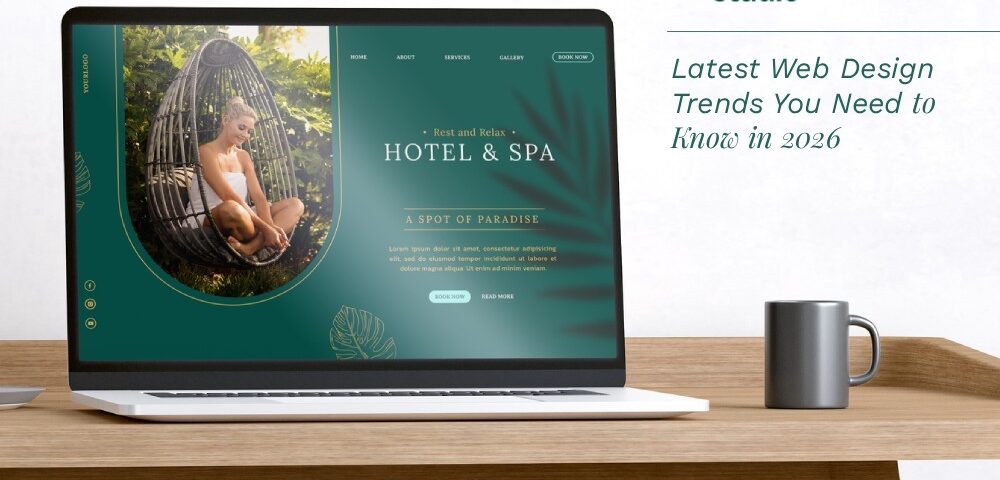
Web Design Trends 2026: AI, Immersive UX & the Future of Digital Experiences
As we step into 2026, the world of web design and development is evolving faster than ever. Traditional static websites are rapidly being replaced by AI-powered, highly interactive, and user-centric digital experiences. Today, success online is no longer just about aesthetics—it’s about performance, personalization, SEO optimization, and immersive user experience (UX).
With advancements in artificial intelligence (AI), Web3, spatial computing, and voice search optimization, the modern web is becoming smarter, faster, and more intuitive. Businesses that want to stay competitive must embrace these latest web design trends in 2026 to improve engagement, conversions, and search engine rankings.
Let’s explore the most important innovations shaping the future of web design.
🤖 AI-Powered Personalization & Generative Interfaces
The era of one-size-fits-all websites is officially over. In 2026, AI-driven web design enables websites to dynamically adapt in real time based on user behavior, preferences, and context such as location, device, and browsing history.
Modern platforms now use generative AI interfaces to automatically adjust layouts, content, and UI elements. For example, an eCommerce website can display product videos for visual users while showing detailed specs and reviews for analytical users.
This level of real-time personalization improves:
User engagement
Conversion rates
Time on site
SEO performance (lower bounce rates)
For designers, the focus has shifted toward building flexible design systems, AI training models, and adaptive UI frameworks rather than static pages.
🌐 Spatial Web & Immersive 3D Experiences
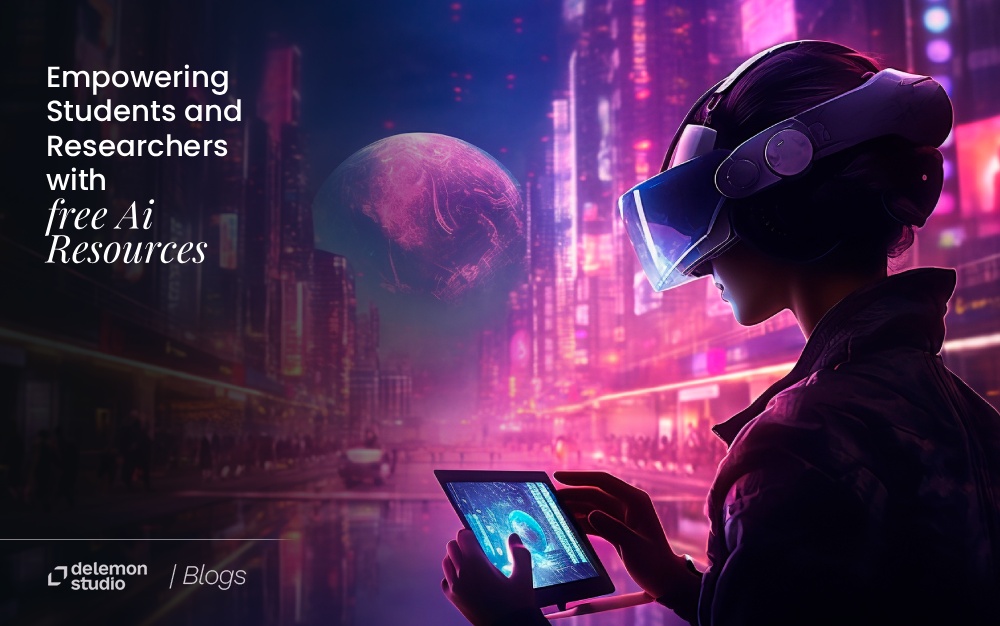
The rise of WebXR, AR/VR, and spatial computing is transforming websites into immersive environments. In 2026, users no longer just scroll—they explore digital spaces.
Brands are now creating:
3D product showrooms
Virtual offices and exhibitions
Interactive storytelling environments
This is especially powerful for industries like:
Real estate
eCommerce
Education
B2B industrial sectors
With immersive UX design, users can interact with products and data in a way that feels real, increasing trust and engagement.
⚡ Core Web Vitals & Performance-First Design
Google’s ranking algorithms in 2026 heavily prioritize Core Web Vitals, page speed, and performance optimization. A slow website directly impacts both SEO rankings and user experience.
Key performance trends include:
Lightweight frameworks (Next.js, Astro)
Edge computing and CDN optimization
Lazy loading and asset optimization
Server-side rendering (SSR)
Fast-loading websites not only rank higher but also convert better, making performance a critical part of modern web design.
📱 Mobile-First & Multi-Device Optimization
With over 70% of traffic coming from mobile devices, mobile-first web design is no longer optional—it’s essential.
In 2026, websites must be optimized for:
Smartphones
Tablets
Foldable devices
Smart TVs
Wearables
Designers are focusing on responsive layouts, touch-friendly interfaces, and adaptive content delivery to ensure a seamless experience across all devices.
🔍 Voice Search & Conversational UI
The rise of voice assistants has made voice search optimization a major SEO factor. Websites now integrate conversational interfaces and AI chatbots to enhance user interaction.
Key features include:
Voice-enabled navigation
AI chat assistants
Natural language search optimization
This trend helps businesses capture long-tail keywords and voice-based queries, improving visibility in search results.
🔐 Privacy-First & Secure Web Design
With increasing concerns around data privacy, secure web design is becoming a major priority. Users now expect transparency and control over their data.
Important elements include:
GDPR and compliance-ready systems
Secure authentication (biometric, 2FA)
Encrypted data handling
Cookie-less tracking strategies
A secure website not only protects users but also builds trust and credibility, which directly impacts conversions.
🎯 Micro-Interactions & Advanced UX Design
Modern websites are focusing on micro-interactions and subtle animations to enhance user experience. These small design elements make interfaces feel more intuitive and engaging.
Examples:
Hover effects
Button animations
Scroll-triggered transitions
Interactive feedback
These improvements contribute to better UX design, higher engagement, and improved retention rates.
🧠 Headless CMS & API-Driven Architecture
In 2026, many businesses are shifting toward headless CMS and API-first development for flexibility and scalability.
Benefits include:
Faster performance
Omnichannel content delivery
Easier integration with apps and platforms
Improved developer efficiency
This approach allows brands to deliver content seamlessly across websites, apps, and digital platforms.
🌍 Local SEO & Hyper-Personalized Content
For businesses targeting specific regions (like UAE markets), local SEO optimization is more important than ever.
Websites now use:
Geo-targeted content
Location-based landing pages
Google Business integration
Schema markup
This helps rank for searches like:
“Logistics company in Dubai”
“Web design agency in Abu Dhabi”
Conclusion: The Future of Web Design is Intelligent & Immersive
The web design trends of 2026 highlight a major shift toward AI-driven personalization, immersive experiences, and performance-focused development. Websites are no longer static platforms—they are living, adaptive systems that evolve with user behavior.
For businesses, adopting these trends means:
Better SEO rankings
Higher engagement
Increased conversions
Stronger brand positioning
To stay ahead in the competitive digital landscape, brands must invest in modern web design, advanced UX strategies, and cutting-edge technologies.