
Latest Web Design Trends You Need to Know in 2026
April 9, 2026
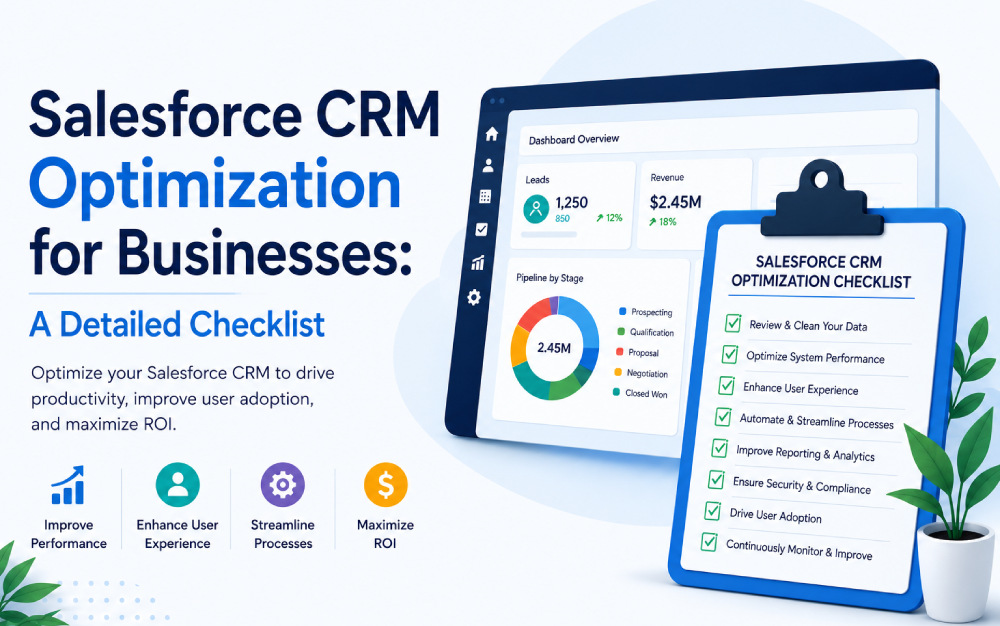
Salesforce CRM Optimization for Businesses: A Detailed Checklist
May 19, 2026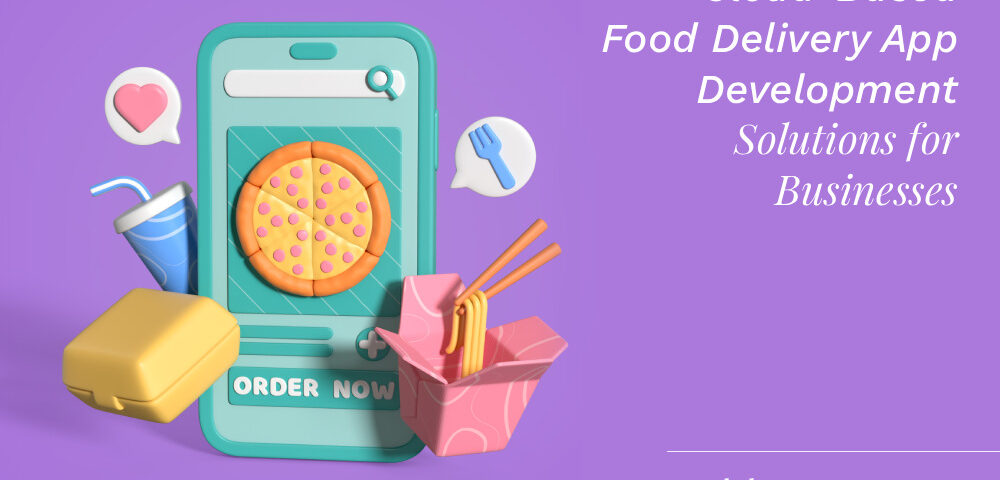
The food delivery industry has undergone a major transformation during the past several years. Current consumer behavior has established delivery services as essential services of contemporary life, which began as services that provided convenience to users. Customers today expect fast delivery, seamless ordering experiences, personalized recommendations, and real-time tracking, all accessible through a few taps on their smartphones.
Businesses allocate their resources toward cloud-powered technologies, which help them achieve their goals by increasing their ability to grow their business operations and establish deeper connections with their customers. The market now demands advanced Food Delivery App Development Solutions that help businesses maintain their competitive edge during times of fast-changing market conditions.
Cloud-based food delivery platforms support all types of businesses, from restaurants and startups to food chains and aggregators, by helping them achieve operational efficiency and cut costs while they grow their business at a faster rate than conventional systems allow.
The article investigates the impact of cloud-based food delivery applications on the industry, while it shows their main advantages and demonstrating the reasons businesses choose modern digital solutions to achieve their future expansion plans.
The Rise of Cloud Technology in Food Delivery
Cloud computing has transformed the development and operational processes of business application management. The cloud platforms allow companies to run their applications through efficient hosting and operational capabilities, which they can scale as needed. The food delivery industry uses cloud technology to provide
- Real-time order management
- Faster application performance
- Seamless third-party integrations
- Improved data storage and security
- Better scalability during peak demand
The fast-paced delivery environment requires businesses to use cloud-based solutions which provide them with flexible operational capabilities.
Why Businesses Are Investing in Food Delivery Apps
The rising trend of online food ordering has caused permanent changes in customer eating patterns.Consumers now prioritize convenience and speed together with personalized experiences when they select food delivery services.
Businesses use food delivery applications to
- They want to expand their customer base
- They want to enhance their order processing capacity
- They want to retain more customers
- They want to automate their business processes
- They want to create new sources of income.
Current applications supply essential consumer information, which enables companies to enhance their marketing activities and their operational functions.
Key Features of Cloud-Based Food Delivery Apps
The food delivery platforms achieve success through their implementation of features which enhance both customer satisfaction and their business operational processes.
1. User-Friendly Customer Interface
The interface allows users to navigate through restaurant options, complete their order, payment, and delivery tracking processes. The combination of fast loading times and smooth navigation features creates a better experience for users who visit the website.
2. Real-Time Order Tracking
Customers expect businesses to show them every step of the delivery process. The GPS tracking system, which tracks their orders in real time, gives users a way to track their delivery status, which helps build trust and customer satisfaction.
3. Cloud-Based Order Management
The cloud infrastructure system enables companies to handle thousands of concurrent orders without experiencing any performance degradation. Restaurant owners can use the centralized dashboard system to observe incoming orders, delivery progress, and customer commentary.
4. Secure Payment Integration
Modern food delivery applications integrate multiple payment options, which include Credit and debit cards, digital wallets, UPI payments, Net banking Contactless payments. Secure payment gateways establish customer trust while they deliver dependable transaction processes
5. AI-Powered Recommendations
AI-driven recommendation engines use customer preferences and order history data to create customized food recommendations. This solution enhances user interaction, which leads to more customers returning for future purchases.
6. Delivery Partner Management
The delivery management system enables efficient driver allocation, together with route optimization and real-time delivery performance tracking.
Benefits of Cloud-Based Food Delivery Solutions
Cloud-based applications deliver multiple benefits that surpass the limitations of traditional systems.
Scalability and Flexibility
The major advantage of cloud-based platforms enables businesses to scale their operations because they can manage user traffic who visit their website during peak periods, which include weekends and holidays, and promotional events.
Reduced Infrastructure Costs
The use of cloud platforms enables businesses to eliminate their requirement for costly physical servers, which require maintenance. The business model allows organizations to pay for their actual resource consumption, which results in better financial efficiency.
Faster Deployment and Updates
Cloud applications that operate from the cloud provide users with faster loading times and reduced latency, and increased system availability, which creates a smooth experience for users.
Improved Data Security
Cloud providers protect customer data through their advanced security protocols, which include encryption, backup systems, and threat monitoring.
Better Performance and Reliability
Cloud applications that operate from the cloud provide users with faster loading times and reduced latency, and increased system availability, which creates a smooth experience for users.
Role of Digital Transformation in Food Delivery
The food delivery industry is becoming more reliant on technological advancements. Businesses that do not implement current digital solutions will lose their market position to other companies.
Digital transformation services help companies to enhance their operations and improve their customer service through digital modernization.
Digital transformation in food delivery includes:
- AI-powered automation
- Cloud migration
- Data analytics integration
- Customer personalization tools
- IoT-enabled delivery tracking
- Advanced CRM systems
Businesses can achieve operational efficiency and better customer retention by implementing these technologies.
How Food Delivery Apps Improve Business Operations
Cloud-based food delivery applications streamline multiple aspects of business operations.
Automated Order Processing
The system automatically sends orders to restaurants and delivery partners, which results in fewer manual mistakes while it increases the speed of business operations.
Inventory and Menu Management
Restaurants can update menus, prices, and item availability in real time through cloud dashboards.
Customer Insights and Analytics
Businesses can analyze customer behavior, order frequency, and purchasing patterns to improve marketing strategies and increase sales.
Better Communication
Integrated messaging and notification systems create a smooth communication system that connects customers with restaurants and delivery agents.
Importance of Choosing the Right Development Partner
Building an effective cloud-based food delivery system needs three essential elements which include technical skills and knowledge about the industry and the ability to create systems that handle growing operations.
This is why businesses often collaborate with experienced top Food delivery app development companies in USA that specialize in creating feature-rich and scalable delivery solutions.
The correct development partner enables businesses to access:
- UI/UX design
- Cloud architecture implementation
- AI and analytics integration
- Security compliance
- Ongoing maintenance and updates
Developers with experience create applications that maintain their ability to expand throughout upcoming development periods.
Factors Affecting Food Delivery App Development Cost
The cost of developing a food delivery application depends on various factors, which include application complexity, its implemented features, and the selected technology stack.
The following elements serve as main factors that determine development expenses:
Application Features and Application Functionality
The development process becomes more challenging and expensive because developers need to create advanced features, which include AI recommendations, live tracking, and loyalty programs.
Platform Selection
Business organizations will select between Android and iOS and cross-platform development based on the specific audience they intend to reach.
Cloud Infrastructure
The project's total costs are affected by the selection of cloud services and the choice of hosting environment.
Third-Party Integrations
The development process incurs additional expenses because developers need to implement payment gateways, mapping systems, analytics tools, and CRM integrations.
UI/UX Design
The development process requires more time because designers need to create custom designs that include interactive elements.
Maintenance and Updates
The organization faces ongoing costs because they need to perform maintenance work, introduce new features, and implement security updates.
Future Trends in Cloud-Based Food Delivery Apps
The upcoming developments in food delivery applications will result from new technological advancements and changing customer needs.
The main current developments include the following elements:
- AI-powered customer personalization
- Voice-based food ordering
- Drone and autonomous deliveries
- Blockchain-enabled payment systems
- IoT-based delivery monitoring
- Hyperlocal delivery optimization
The food delivery market will benefit from early technology implementation because businesses that do so will obtain a competitive edge.
Conclusion
People use cloud technology to create faster, smarter, and more efficient business operations for their food delivery services. The operational needs of contemporary customers are satisfied through cloud-based applications, which offer real-time order management, adaptable infrastructure, and AI-powered personalization capabilities.
Businesses achieve better operational performance and improved customer satisfaction, which leads to their sustainable business growth by using advanced Food Delivery App Development Solutions.
Successful project execution and business growth will be achieved through two approaches, which involve working with established Food delivery app development companies and using current Digital transformation services.
The digital age requires companies to embrace cloud-based food delivery systems because customer demand for easy access to their services continues to grow.